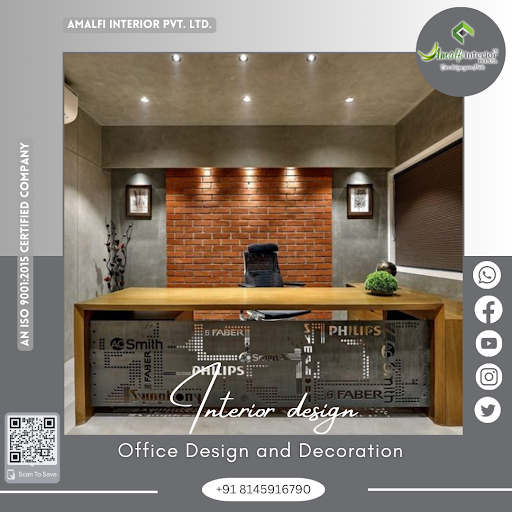
Designing and decorating an office involves creating a space that is functional, comfortable, and…
Designing and decorating an office involves creating a space that is functional, comfortable, and inspiring. Here are some key considerations and tips:
### Layout and Space Planning 1. **Open vs. Closed Layout**: Decide between an open-plan office for collaborative work or individual offices for privacy and focus. 2. **Flow and Accessibility**: Ensure that the layout allows for easy movement and access to common areas such as conference rooms, break areas, and restrooms. 3. **Ergonomics**: Invest in ergonomic furniture to promote health and comfort, including adjustable chairs, desks, and monitor stands.
### Furniture 1. **Desks and Chairs**: Choose desks with enough space for work essentials and comfortable chairs that support good posture. 2. **Storage Solutions**: Incorporate cabinets, shelves, and filing systems to keep the workspace organized. 3. **Meeting Spaces**: Provide a mix of formal meeting rooms and informal collaborative spaces with comfortable seating.
### Lighting 1. **Natural Light**: Maximize natural light with large windows and use sheer blinds or curtains to control glare. 2. **Task Lighting**: Provide desk lamps or adjustable lighting for focused tasks. 3. **Ambient Lighting**: Use overhead lighting that is bright but not harsh. Consider LED options for energy efficiency.
### Color Scheme 1. **Neutral Base**: Start with a neutral color palette for walls and large furniture pieces.